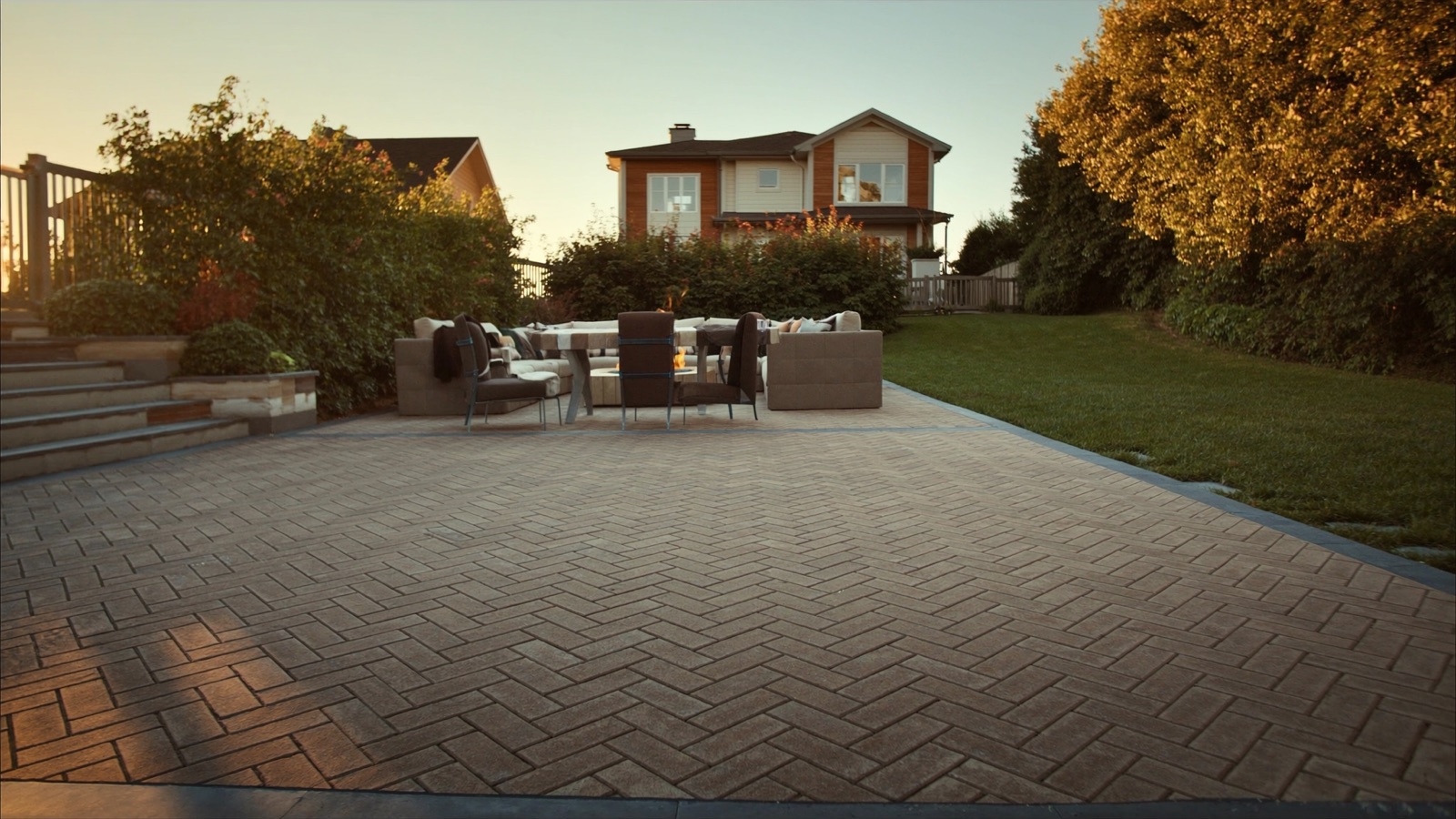
Paver Patios in Halifax: Pricing, Design, and Why They're Worth It
A paver patio is one of the few outdoor upgrades that actually pays you back. It expands how much of your yard you use, raises your home value, and if it's done right, you stop thinking about it for the next 25 years.
But not all patios are built the same. The difference between a patio that lasts a generation and one that settles, sinks, or grows weeds in three years comes down to one thing: what's underneath the pavers. Here's everything you should know before signing a quote.
How much does a paver patio cost in Halifax?
Paver patios in Halifax typically run $25 to $40 per square foot installed.
That covers excavation, a proper crushed-stone base, sand setting bed, pavers, polymeric joint sand, and a contrasting border at no extra charge. Where you land on the range comes down to:
- Patio size. Bigger jobs get a better per square foot rate. Small patios under 200 square feet are more expensive per foot because the prep work is fixed cost.
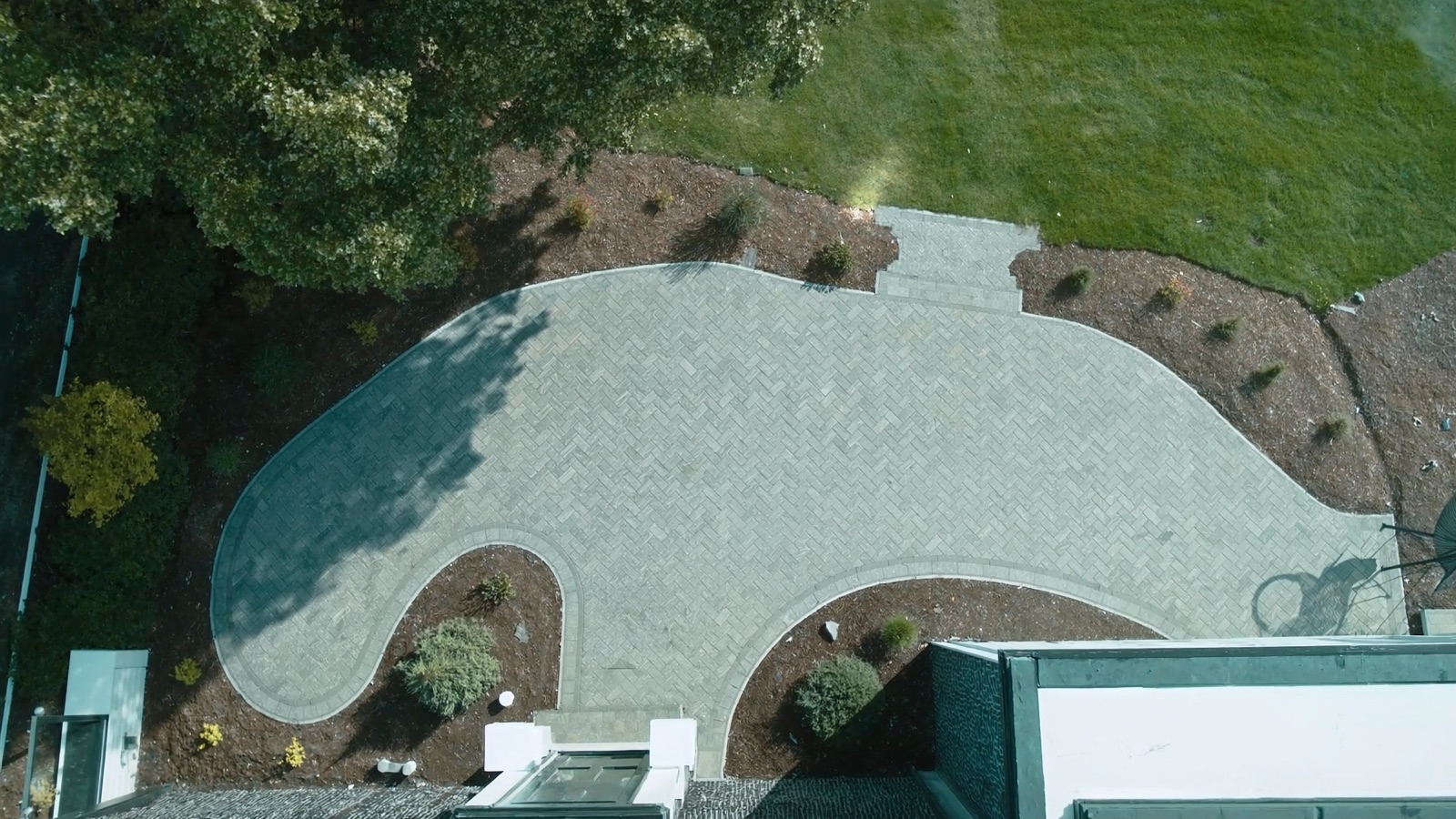
- Design complexity. A square patio with one pattern costs less than a curved patio with multiple paver colours, inlays, or banding.
- Site access. If equipment can get to the area, base prep moves fast. If everything has to be wheelbarrowed through a side gate, that's labour time.
- Add-ons. Fire pits, seat walls, outdoor kitchens, lighting, and deeper bases on poor soil push the price up.
For a typical 300 square foot residential patio with good access, you're looking somewhere in the $8,000 to $12,000 range installed. Larger or more complex builds run $15,000 to $30,000+. We give a flat written quote after a free site visit so there are no surprises.
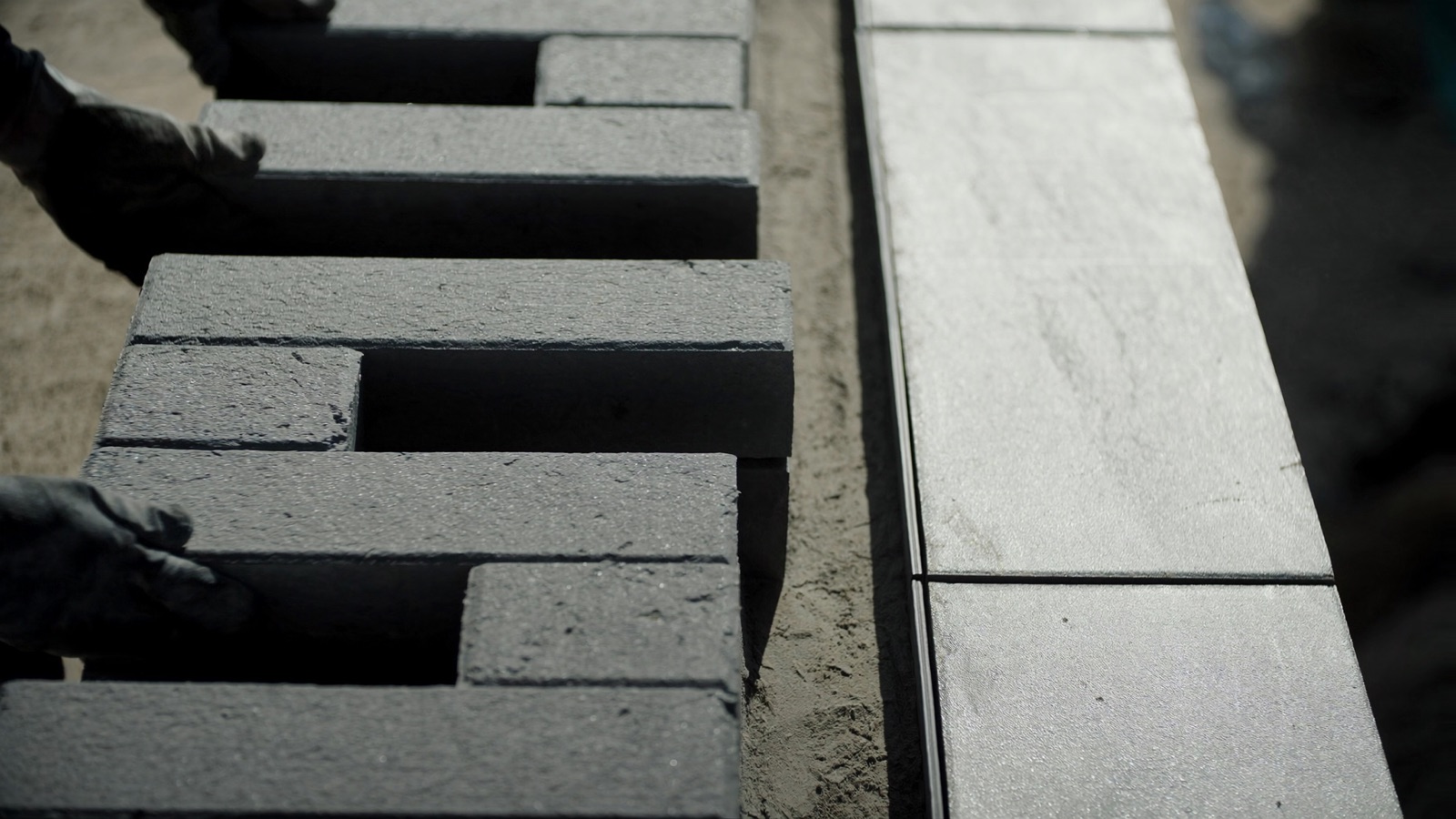
Why the base matters more than the pavers
Here's the part most homeowners don't think about. You can pick the most expensive pavers in the catalogue, but if the crushed stone base underneath them is too thin, too soft, or wasn't compacted right, your patio will fail. It might look perfect for the first two summers. Then year three rolls in, the freeze-thaw cycle starts working on it, and you've got dipping spots, lifted edges, and joints opening up.
A proper Halifax base is 6 to 10 inches of 3/4 inch crushed stone, compacted in 2 inch lifts with a plate compactor. Soft clay or wet soil gets a deeper base. Geotextile fabric goes between the native soil and the stone so the base doesn't sink into the soil over time.
If a contractor quotes you a patio for 30 percent less than the rest, the first thing to check is the base prep. They're almost always cutting it there.
What paver brands we install (and why brand matters)
Outworks installs Techo Block, Oaks, Permacon, and Shaw Brick. All four are top-tier Canadian paver manufacturers, all carry their own product warranty, and all hold up against Nova Scotia's freeze-thaw cycles.
Brand matters because cheaper big-box pavers are made with less cement, more filler, and lower-quality aggregate. They chip on the edges, fade in colour faster, and crack under stress. The pavers themselves are 10 to 20 percent of total project cost. Saving a few hundred dollars by picking inferior pavers ruins the look of a $10,000 project. We don't recommend that trade-off.
On the site visit, we bring samples and walk you through what each brand looks like in person. Colour and texture choices feel different in your hand than on a website.
How to design a patio that actually gets used
The best-looking patio is the wrong patio if it doesn't fit how you use your yard. A few things we ask every homeowner during the design conversation:
- How many people do you want to seat at once? A 6-person dining table needs about 12 by 14 feet to leave walking room around chairs.
- Do you want a fire pit? Add 5 to 6 feet of clear radius around it for chairs.
- Where does the sun hit? Afternoon shade matters more than morning sun for most Halifax backyards.
- Is the patio for one big gathering or daily use? That changes whether we lean toward one large open area or multiple defined zones.
- Do you have kids or pets? Patterns with tight joints and smaller pavers are friendlier than huge slab pavers when little hands and feet are in play.
Once we know how you'll use it, we sketch a layout that fits the yard, the house, and the lifestyle. The goal is a patio you actually live on, not one you just look at from the kitchen window.
How we install a paver patio
Our 7-step process. The first four steps are where lifespan is won or lost.
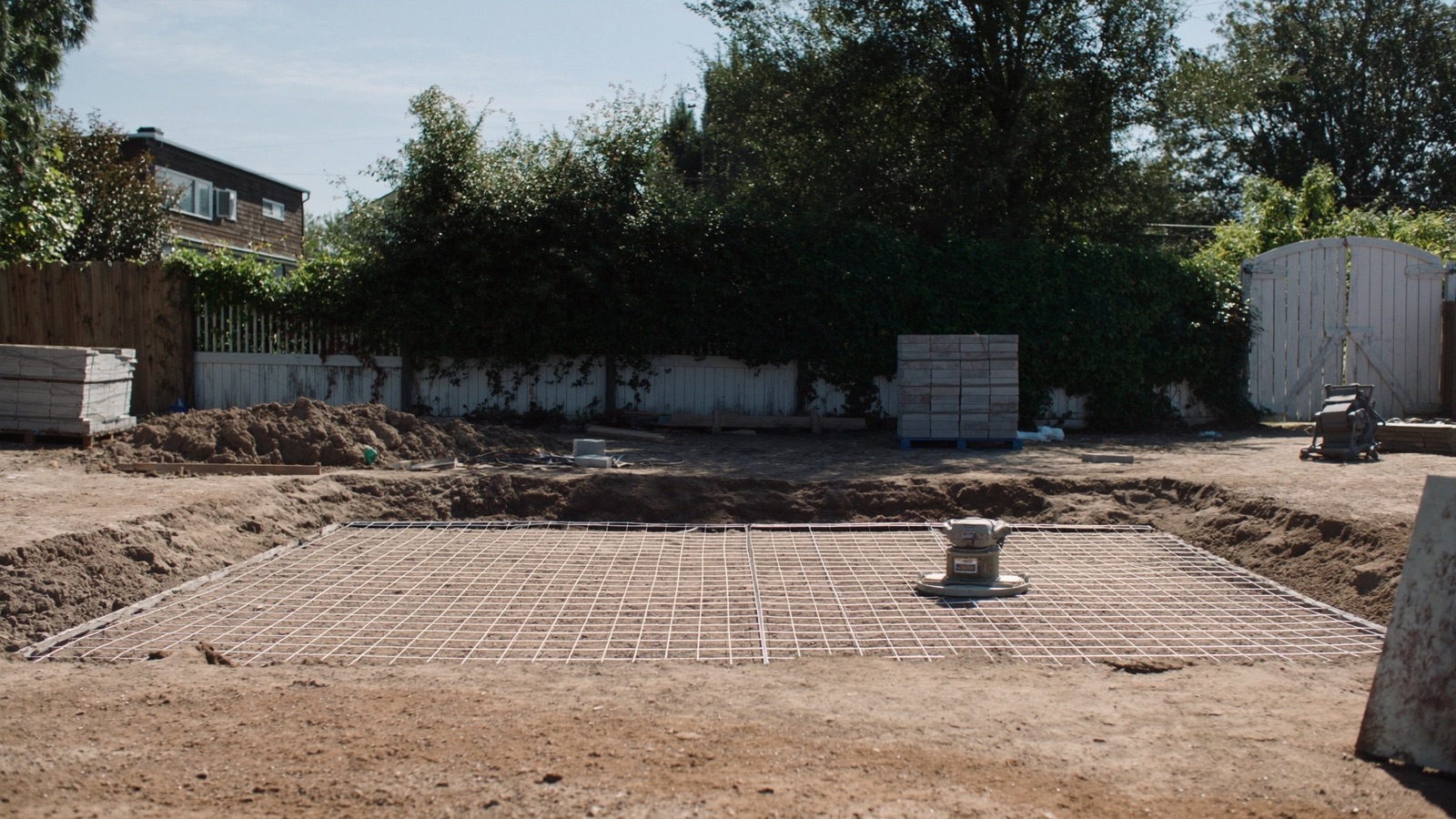
- Excavate. Dig 8 to 12 inches below the finished height. Deeper if the soil is soft or clay-heavy.
- Lay geotextile fabric. Stops the crushed stone from migrating down into the native soil over time.
- Crushed stone base. 6 to 10 inches of 3/4 inch crushed stone, placed in 2 inch lifts, compacted with a plate compactor until firm.
- Concrete sand setting bed. Screeded smooth at 1 inch thick. This is what the pavers sit on.
- Lay the pavers. In your chosen pattern, with consistent joint spacing. Border pieces cut clean with a diamond-blade saw.
- Edge restraint. Plastic or steel restraint around the perimeter, spiked into the base. Locks every paver in place.
- Polymeric sand and final compaction. Sweep poly sand into the joints, vibrate the surface with a compactor over a protective pad, then activate the sand with a light water mist. The result is a stable, weed-resistant joint that flexes with the seasons.
Most residential patios take 3 to 7 working days from excavation to clean-up. Bigger or more complex builds with fire pits, walls, or kitchens run 1 to 2 weeks.
How long will it last?
A properly installed paver patio in Halifax lasts 25 to 40 years before any real maintenance is needed. Polymeric sand might need a top-up at 10 to 15 years. The pavers themselves can be lifted, reset, and reused.
The freeze-thaw cycles in Nova Scotia are tough on outdoor surfaces. Concrete slabs crack. Wood decks rot. But pavers move with the ground and stay flexible. If one ever gets stained or chipped, you pop that one paver out and replace it for the cost of a single block. That's why properly installed paver work outlasts almost every other patio material.
Common paver patio mistakes Halifax homeowners make
- Hiring on price alone. The cheapest quote almost always means a thinner base. You'll pay for it in year 3 to 5 when the patio starts settling.
- Underestimating the size. Most homeowners regret going too small. A patio that comfortably fits your table, chairs, and walk-around space is usually 30 to 50 percent bigger than people initially picture.
- Skipping the polymeric sand. Some installers still use regular sand. Regular sand washes out, grows weeds, and lets ants in. Polymeric sand hardens into a flexible joint that resists all three.
- Not thinking about drainage. A patio that doesn't slope away from the house can push water against your foundation. We slope every patio at least 1/8 inch per foot away from the building.
Want a quote?
We give free written quotes for paver patios across Halifax, Dartmouth, Bedford, Sackville, Fall River, and the HRM. Site visits include a design conversation and samples of the brands we install. Most quotes are out within 24 hours.
Call us at (902) 890-9811 or fill out the estimate form on the home page. We'll come take a look, talk through what you want, and send you a flat price within a day.